
Cultural views on gambling How society shapes our perception and behavior
The Historical Context of Gambling
Gambling has a long and varied history, with its roots traced back to ancient civilizations. From the simple dice games of Mesopotamia to the more structured forms of betting in ancient Rome, gambling has been a constant in human society. Cultural attitudes toward gambling often reflect the values and beliefs of a society. In many cultures, gambling is viewed as a form of entertainment, while in others, it is seen as a moral failing or a vice. For those interested in exploring this further, you can visit https://fashionurge.com/ to find more resources.

Over time, the historical context of gambling has evolved, influenced by economic, social, and legal factors. Societies that embrace gambling may have a more relaxed approach to its regulation, encouraging its growth through establishments like casinos and online platforms. Conversely, cultures that frown upon gambling may impose strict regulations, reflecting a broader concern for social welfare and moral behavior.
The Role of Religion in Shaping Perceptions
Religion plays a significant role in shaping cultural views on gambling. In many faiths, gambling is viewed through a lens of morality, impacting how followers perceive risk-taking and chance. For instance, certain religious doctrines may categorize gambling as sinful or against divine teachings, which influences the behavior of adherents. This moral perspective can either deter participation in gambling activities or lead to a more clandestine approach among those who wish to partake.
The intersection of religion and gambling can also create a complex relationship where, in some cultures, gambling activities are integrated into celebrations or rituals. These dual perspectives demonstrate how cultural views can be nuanced, blending moral teachings with social practices.
Social Norms and Community Influences
Social norms greatly impact how individuals perceive and engage in gambling. In communities where gambling is normalized, participation is often viewed as a common social activity. This normalization can create a sense of belonging among participants, enhancing the enjoyment of gambling as a communal event. Social gatherings centered around games of chance can strengthen community bonds while also cultivating a shared perception of gambling as harmless fun.
Conversely, in communities where gambling is stigmatized, individuals may experience social pressure to avoid participating. This societal expectation can lead to feelings of isolation for those who enjoy gambling, often causing them to hide their activities. Thus, community attitudes toward gambling play a crucial role in shaping individual behaviors and perceptions.
The Influence of Media and Popular Culture
Media and popular culture significantly influence perceptions of gambling. Television shows, movies, and online content often glamorize gambling, portraying it as an exciting and glamorous lifestyle. This portrayal can attract individuals who may not have previously considered gambling, leading to a surge in interest and participation. However, such representations can also downplay the risks associated with gambling, contributing to misconceptions about its nature and consequences.
Furthermore, the portrayal of gambling in media can reinforce stereotypes about gamblers, which may affect how society views those who engage in these activities. When gambling is linked to wealth, success, or adventure, it creates an allure that can overshadow the potential negative aspects. This dynamic illustrates the powerful role that media plays in shaping societal attitudes towards gambling.
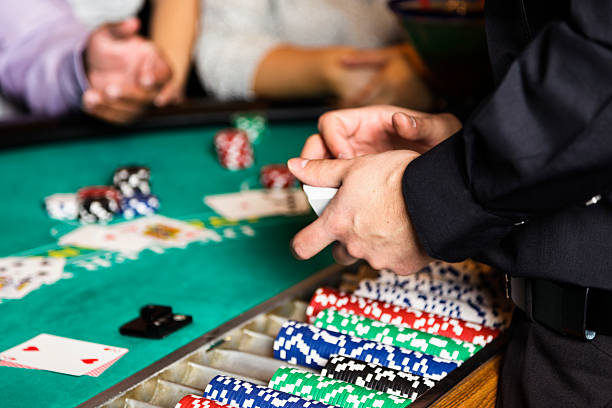
Responsible Gambling and Resources
As gambling becomes more integrated into various cultures, the conversation around responsible gambling has gained prominence. The increasing accessibility of online gambling platforms and casinos has prompted a societal shift towards advocating for responsible behavior. This shift emphasizes the importance of understanding the risks associated with gambling and encourages individuals to seek help if they find themselves struggling with addiction.
Resources for responsible gambling are increasingly available, providing individuals with the tools to engage in gambling activities safely. Organizations dedicated to promoting responsible gambling focus on education and awareness, helping to reshape societal views by framing gambling as an activity that can be enjoyed in moderation. By fostering a culture of responsibility, society can work towards balancing enjoyment with caution in the world of gambling.